Tips for Choosing the Best General Contractor for Your Home Renovation Project
Choosing the best construction professional is critical for a productive home renovation. Homeowners must consider multiple factors, including experience, certifications, and communication skills. A well-informed decision can prevent costly mistakes and guarantee a more efficient process. However, working through the contractor evaluation process can be overwhelming. Which particular factors should one keep in mind? What inquiries are necessary during initial consultations? Recognizing these considerations can greatly impact the home improvement process.
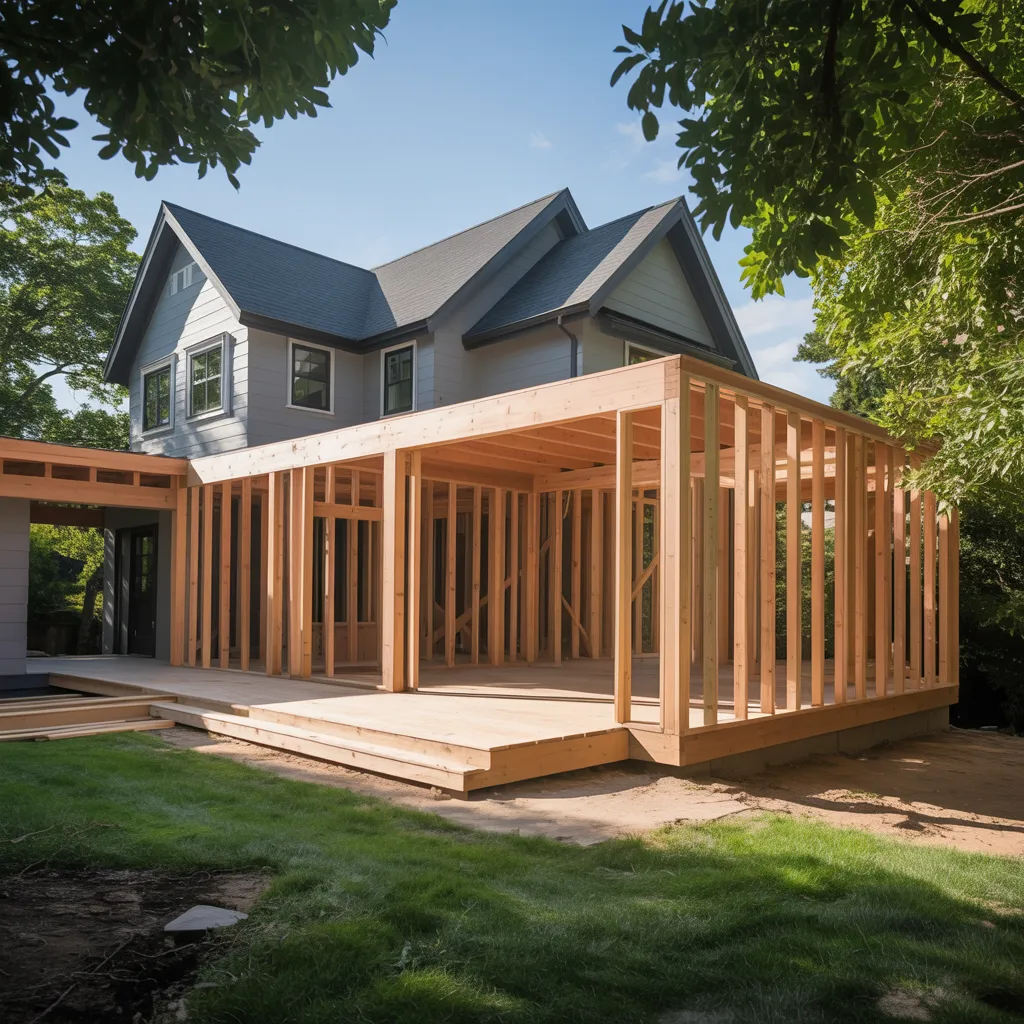
What Experience Should You Look For in a Contractor?
When choosing a home renovation contractor for residential renovation, it is crucial to evaluate their experience in the field. A contractor's background can strongly affect the efficiency and quality of the remodeling process. To begin, prospective clients should find contractors with a strong record in related projects, ensuring familiarity with unique challenges and proven solutions.
Furthermore, a contractor's years of experience can reveal a contractor's skill in overseeing budgets, timelines, and subcontractors with efficiency. Asking to review their portfolio is also recommended, featuring prior work that corresponds with the homeowner's desired outcome.
Furthermore, contractors well-versed in local building codes and regulations can assist in preventing possible legal complications. In closing, a contractor's capability to provide references from previous clients can offer insight into their dependability and professionalism. By thoroughly assessing these factors, homeowners can make a more informed decision when choosing a general contractor for their remodeling project.
How to Verify a Contractor's Credentials and References
How can homeowners guarantee they are hiring a qualified contractor? Verifying a contractor's credentials and references is essential. Homeowners should first check for proper licensing and insurance, ensuring the contractor meets local regulations. This verification can usually be performed through state or local licensing authorities. Moreover, ensuring the contractor holds liability insurance and worker's compensation coverage safeguards homeowners against potential liabilities.
Next, homeowners should seek references from past clients. A reputable contractor should supply a list of current projects, accompanied by contact information. Speaking directly to previous clients can uncover valuable insights about the contractor's commitment, communication skills, and compliance with timelines.
Online reviews and ratings on platforms such as Yelp or Angie's List may also supply valuable information. By conducting thorough research and gathering multiple perspectives, property owners can arrive at a knowledgeable conclusion, improving the chances of a successful remodeling project.
What Key Questions Should You Raise During the Initial Consultation?
Once confirming a contractor's credentials and references, homeowners should plan ahead for the initial meeting by developing specific questions. Essential queries should concentrate on the contractor's background in similar undertakings, including schedules and possible obstacles. Homeowners should additionally inquire about the contractor's strategy for project management and communication, ensuring they will receive regular status notifications during the project.
Moreover, discussing the contractor's preferred subcontractors can shed light on the standard of craftsmanship expected. It is essential to seek information on necessary permits and how the contractor manages inspections. Homeowners are encouraged to ask about the payment schedule and any initial expenses involved. Understanding the contractor's warranty terms and how they resolve arising problems post-completion is vital as well. By asking these targeted questions, homeowners can assess whether the contractor matches their goals and requirements for the renovation project.
A Guide to Breaking Down Project Estimates and Contracts
Dissecting project quotes and agreements is vital for homeowners to grasp the financial aspects of their remodeling project. Critical elements such as materials, labor, and deadlines play a significant role in the final price. Moreover, understanding contract language confirms that all parties have a mutual understanding of obligations and expectations.
Essential Estimate Elements
Grasping the fundamental parts of project estimates is important for homeowners and property owners embarking on renovations. A comprehensive estimate generally covers labor costs, materials pricing, and overhead costs. Workforce costs represent the pay for qualified professionals, which can fluctuate based on experience and project complexity. Material costs should specify the quantity and grade of materials, permitting homeowners to evaluate overall worth and longevity. Operational charges, including permits and insurance, provide insight into the operational expenses of the contractor. Additionally, emergency funds are often included to handle unanticipated expenditures, ensuring a smoother renovation process. Homeowners should also seek out a well-defined timeline and payment schedule to define project expectations. Breaking down these aspects enables property owners make informed decisions and supports transparent communication with the contractor they select.
Contract Terms Clarified
A clear understanding of contract terms is essential for homeowners overseeing renovation projects. Contracts typically outline the scope of work, payment schedules, and timelines, making certain all parties remain in agreement. Homeowners should thoroughly scrutinize the itemized estimates, which provide a detailed breakdown of materials, labor, and permits, ensuring clarity. Key terms to reflect on include change orders, which explain how project changes will be managed and billed. Additionally, homeowners should familiarize themselves with warranty terms, which protect against defects in workmanship or materials. Understanding these elements empowers homeowners to make informed decisions and reduces the likelihood of misunderstandings or disagreements during the project, contributing to a more successful renovation outcome. A solid understanding of contract terms is key to a productive working relationship with contractors.
Appreciating the Role of Communication Style With Your Contractor?
How effectively a homeowner communicates with their general contractor can greatly impact the outcome of a remodeling project. A transparent communication method promotes clarity and confirms that everyone involved is on the same page regarding expectations, timelines, and budgets. Homeowners need to consider how contractors share details, whether via emails, in-person meetings, or progress reports.
A contractor who engages attentively and answers with consideration can help alleviate concerns and address issues promptly. Moreover, it is essential for clients to feel comfortable sharing their thoughts and opinions. A clear line of communication enables cooperative effort, which can lead to more effective solutions and innovative solutions.
When considering possible contractors, homeowners should consider how well they can participate in productive discussions. This harmony in communication methods can significantly improve the overall renovation experience, guaranteeing that the work moves forward efficiently and meets the homeowner's vision. Ultimately, effective communication lays the groundwork for a successful partnership.
What Red Flags Show That a Contractor May Not Be Right for You?
Spotting likely red flags in a renovation contractor is crucial for a successful renovation. Inadequate communication approaches and a lack of proper licensure can signal deeper issues that may affect the project. Home improvement clients should remain vigilant to guarantee they hire a trustworthy contractor for their needs.
Ambiguous Communication Practices
Clear communication acts as the foundation of any successful home renovation project. In the process of vetting a general contractor, unclear communication practices often signal potential issues. Red flags include inconsistent messaging, vague answers to inquiries, and difficulty in scheduling meetings. If a contractor frequently misunderstands project requirements or fails to provide updates, it raises concerns about their commitment and reliability. Additionally, a lack of transparency regarding timelines, costs, and processes can indicate disorganization or unprofessionalism. Reliable contractors must be ready to elaborate on details and handle concerns without delay. A contractor who avoids direct communication or dismisses questions may not prioritize the homeowner's interests, ultimately jeopardizing the project's success. Open dialogue is vital for establishing confidence and guaranteeing a seamless renovation process.
Failure to Obtain Proper Licensing
Effective communication is vital when building a productive relationship with a general contractor, but it is equally important to guarantee that the contractor possesses the required credentials. The absence of proper licensing serves as an important red flag when considering potential contractors. Certified professionals are typically required to comply with specific state regulations, ensuring that they possess the skills and knowledge necessary to complete renovation projects safely and effectively. Homeowners must always confirm a contractor's license through official local authorities or online databases. Moreover, a reluctance to provide licensing information or insurance documentation may indicate a lack of professionalism. Confirming that a contractor is fully licensed not only safeguards the homeowner but also supports the overall success of the home renovation project.
Questions and Answers
How Can I Tell if a Contractor Is Insured?
To determine if a contractor is insured, one should request insurance verification, which should include liability and workers' compensation coverage. Checking these records guarantees that the contractor is fiscally liable for potential damages or accidents.
What Can I Do if a Contractor Misses Deadlines?
When a find guide contractor fails to meet deadlines, the homeowner ought to address concerns openly, check the agreement for specific provisions, and record all delays in writing. Looking for a resolution via discussion or professional mediation can assist in establishing clear expectations and keeping the project on track.
How Do I Resolve Disputes With My Contractor?
To manage disagreements with a contractor, individuals should keep records of all communications, clearly express concerns, and pursue resolution through open discussion. Should the matter remain unresolved, consider mediation or legal advice to protect one's rights and interests.
Are There Specific Permits Needed for My Renovation?
Specific permits for renovations depend on local regulations and project scope. In most cases, building, electrical, plumbing, or zoning permits will be necessary. Speaking with local authorities confirms compliance and helps circumvent possible legal challenges during renovation.
What Steps Can I Take to Protect My Home Throughout Renovations?
To safeguard a home throughout renovations, it is important to protect floors with coverings, isolate work areas, guarantee proper ventilation, safeguard important possessions, and keep open lines of communication with contractors about protective measures and scheduling to limit disturbances.